

Welcome to Hydra Comics! Here, we bring you the latest news, reviews, and insights into the world of comics. From the classic heroes and villains of Marvel and DC Comics to the up-and-coming independent publishers, we cover it all. Our team of passionate comic book fans and industry experts provide in-depth analysis, interviews with creators, and sneak peeks at upcoming releases. Whether you’re a long-time fan or just getting started, our site is the perfect destination for anyone looking to dive into the world of comics. So come explore with us and discover the endless possibilities of this exciting and dynamic medium.

The Holy Grail of Silver Age Comics: Why Amazing Fantasy #15 Created an Icon
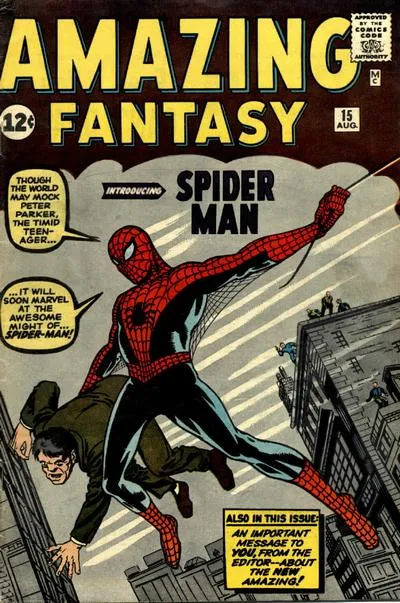
Published in August 1962, Amazing Fantasy #15 stands as one of the most pivotal comic books ever created. As the issue that introduced Spider-Man to the world, this single 11-page lead story transformed Marvel Comics and redefined the superhero archetype forever.
The Birth of Spider-Man
In 1962, Marvel publisher Martin Goodman was initially hesitant to launch a hero based on a spider, fearing readers would find arachnids too repulsive. Writer Stan Lee and artist Steve Ditko were given the green light to include the character in Amazing Fantasy—an anthology series slated for cancellation after issue #15.
Unlike traditional heroes of the era, Peter Parker was a relatable high school teenager carrying real-world burdens: financial distress, social anxiety, and deep personal tragedy.
Stan Lee (Writer) + Steve Ditko (Artist)
Jack Kirby (Cover Artist) + Steve Ditko (Inker)
Why Amazing Fantasy #15 Rewrote the Rules
Prior to Amazing Fantasy #15, teenage characters in mainstream comics were relegated to sidekick roles. Spider-Manbroke the mold by proving a adolescent protagonist could carry an entire story independently.
- The Moral Core: The iconic theme—“With great power, there must also come great responsibility!”—was introduced not as spoken dialogue, but as a closing narration box.
- The Grounded Setting: Midtown High, Queens, and New York City gave Spider-Man a tangible, everyday backdrop.
- Essential Debuts: Beyond Peter Parker, issue #15 introduced foundational supporting characters including Aunt May, Uncle Ben, and Flash Thompson.
The runaway sales success of Amazing Fantasy #15 shocked Marvel executives. It launched Spider-Man into a multi-billion-dollar pop culture franchise spanning comic runs, blockbuster movies, animated series, and video games. Today, it remains the ultimate centerpiece of comic book collecting.
Key Collector Facts & Legacy
Release Date: August 1962 (Cover Date) / September 1962
Creators: Stan Lee (Writer), Steve Ditko (Penciler/Inker), Jack Kirby (Cover)
Record Sales: A CGC 9.6 grade copy sold for $3.6 million in September 2021
Follow-up Title: The issue’s historic sales led directly to The Amazing Spider-Man #1 in 1963
...More Articles